Flatbed Towing for AWD Vehicles: What Maryland Drivers Need

Last Updated: November 19, 2026
Quick Summary
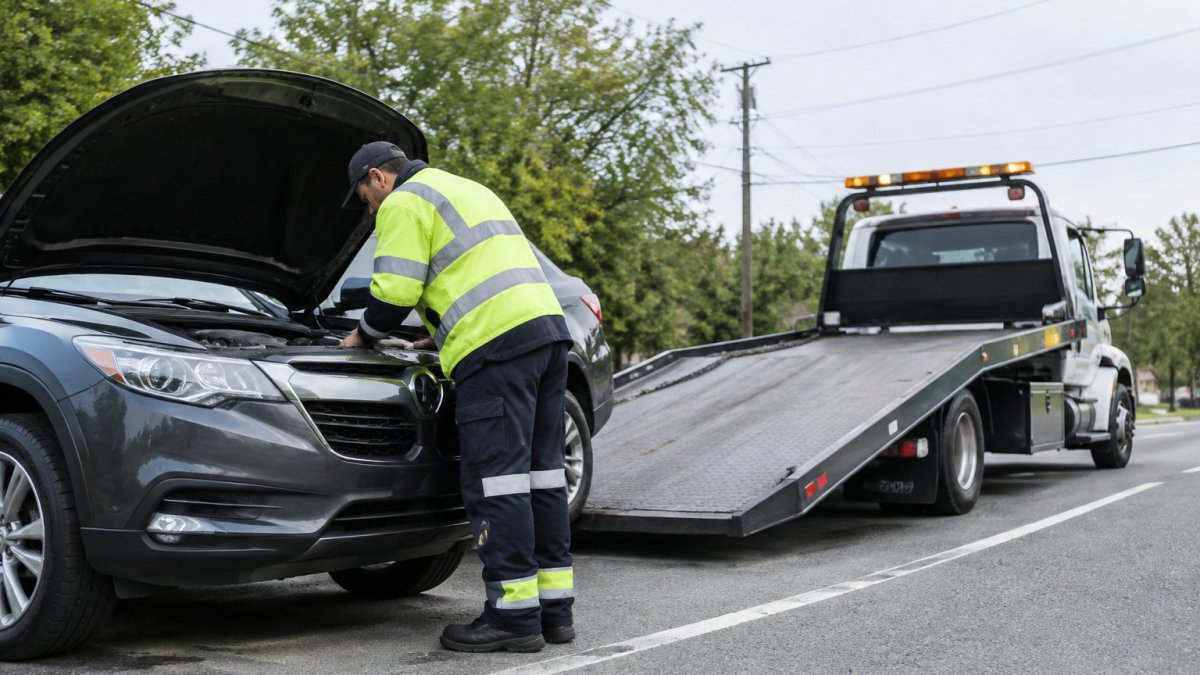
Flatbed towing is the safest way to move an AWD vehicle that cannot run safely on its own. Because all four wheels share a connected drivetrain, dragging two wheels while the others roll can strain the transmission, center differential and transfer case. Avery Towing & Recovery, LLC serves drivers in Halethorpe, Arbutus, Catonsville and nearby Baltimore communities.
Check the owner's manual first to confirm the approved towing method for your model.
Tell the operator the vehicle is AWD when you call so the right truck is sent.
Pickup and drop-off must both be in Maryland, since towing is handled within the state only.
Put the car in neutral and release the parking brake only when the operator instructs.
Stay with the vehicle until it is secured on the deck.
Need an AWD car towed safely?
Avery Towing & Recovery offers local flatbed towing across Maryland.
Table of Contents
Flatbed towing is the safest way to move an AWD vehicle that cannot run safely on its own. Avery Towing & Recovery, LLC serves private drivers in Halethorpe, Arbutus, Catonsville and nearby Baltimore communities.
Why AWD Vehicles Need Flatbed Towing
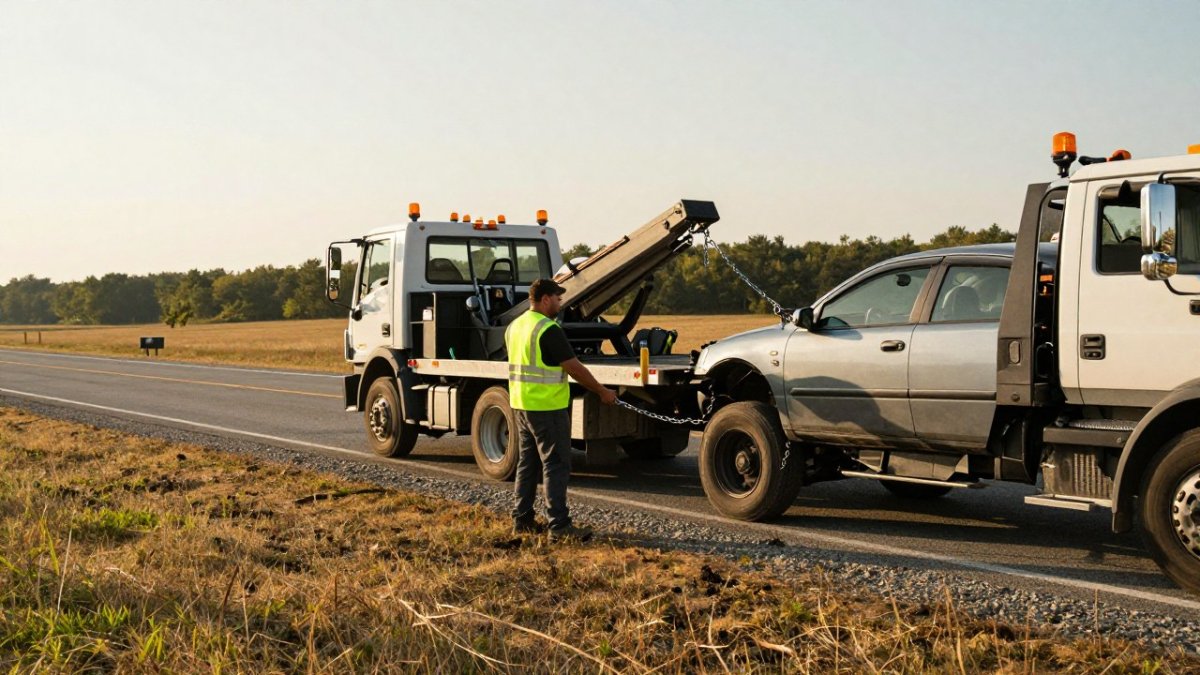
All-wheel drive sends power to all four wheels through a connected drivetrain. Dragging two wheels while the other two roll turns the drivetrain without engine power, straining the transmission, center differential and transfer case.

How to Tow an AWD Car Safely
Follow these steps to help the vehicle move as safely as possible.
Check the owner's manual first. It lists the approved towing method for your model.
Call for a flatbed. Tell the operator the vehicle is AWD so the right truck is sent.
Confirm the pickup and drop-off are both in Maryland. Avery Towing & Recovery, LLC handles towing within Maryland only.
Put the car in neutral and release the parking brake only when the operator tells you to.
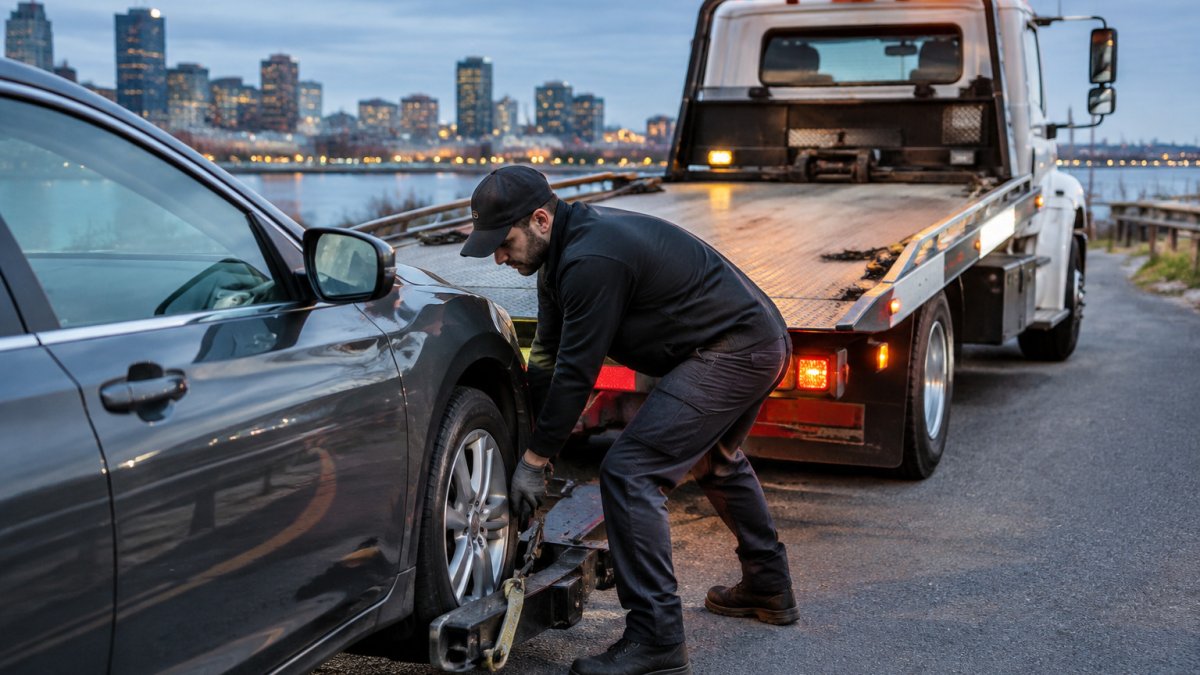
Stay with the vehicle until it is secured on the deck.
Watch out: Check the owner's manual before any tow to confirm the approved towing method for your model.
For a flatbed in Baltimore or nearby Maryland areas, call Avery Towing & Recovery, LLC.
The steps below cover what to do before and during an AWD tow.
Step | What to do | Timing |
Check the owner's manual | Confirm the approved towing method for your model | Before any tow |
Call for a flatbed | Tell the operator the vehicle is AWD | When you call |
Confirm Maryland locations | Pickup and drop-off must both be in Maryland | Before dispatch |
Release the brake | Put the car in neutral and release the parking brake when told | When the operator instructs |
Stay with the vehicle | Remain until it is secured on the deck | Until loaded |
Call 410-929-3521 for an Upfront Towing Quote
Avery Towing & Recovery, LLC is a Halethorpe-based towing and roadside assistance company. Read how towing prices are quoted before you call. We offer local flatbed and rollback towing, emergency towing, jump starts, tire changes, lockouts and winch recovery for private drivers in Baltimore City, Baltimore County, Anne Arundel County and Howard County.
Call now for an upfront towing quote: Call 410-929-3521.
Frequently Asked Questions
Can you tow an AWD car in neutral?
Towing an AWD car in neutral with two wheels on the ground can send power through the drivetrain and damage the transmission, transfer case, or center differential. Many owners manuals advise against it. A flatbed keeps all four wheels off the road. Check your owner's manual for the exact recommendation for your model before any tow.
How can you tow an AWD vehicle without a flatbed?
Some AWD vehicles can be moved with a tow dolly or by lifting the wheels on a wheel-lift truck, but this depends on the model, the drivetrain design, and the distance. Dollies and wheel-lift setups are not always safe for every AWD vehicle. When in doubt, ask the tow operator to use a flatbed, which keeps all four wheels off the ground.
What should I tell the tow truck operator about my AWD vehicle?
Tell the operator the vehicle is all-wheel drive and give the make, model, and year. Mention any drivetrain concerns, whether the vehicle is running, and whether the parking brake or neutral position works. This helps the operator choose a flatbed and load the vehicle correctly.
Comments